Adderall Destroying Your Appetite? How to Get Enough Calories Anyway
Table of Contents
The Big Picture
Your medication is designed to increase dopamine and norepinephrine. Both of these neurotransmitters suppress hunger as a side effect. This is not a flaw in the medication. It is a predictable pharmacological consequence that you need to plan around rather than ignore.
Chronic undereating on stimulant medication creates a cascade of problems. Your brain runs out of the raw materials it needs to produce neurotransmitters. Your medication becomes less effective. Fatigue sets in earlier. Your mood deteriorates. And the cognitive sharpness that the medication is supposed to provide erodes because your body is running on empty.
In Depth
The key principle is eating on a schedule rather than eating when hungry. Hunger signals are unreliable when you are medicated. If you wait until you feel hungry, you will consistently eat too late in the day and too little overall.
Set three alarms. One for breakfast before medication. One for lunch at midday regardless of appetite. One for dinner. Treat eating like a task on your to-do list rather than a response to a physical sensation.
Calorie density is your friend during medication hours. A tablespoon of olive oil contains 120 calories. A handful of nuts contains 200. A protein shake with milk and peanut butter can contain 500 or more. These are foods you can consume quickly without needing a large appetite. Compare that to a salad which might contain 150 calories and require effort to eat.
The window before medication is the most important meal of the day. Your appetite is still functional. Eat the largest meal of your day during this window. Front-load your calories. If you eat 800 calories before your medication kicks in, the remaining 1200 you need throughout the day feels much more manageable.
The Science
Track your calories for one normal medicated week before changing anything. Most people on stimulants are shocked by how little they are actually eating. Use any free calorie tracking app and log everything including drinks. This baseline shows you exactly how large the gap is.
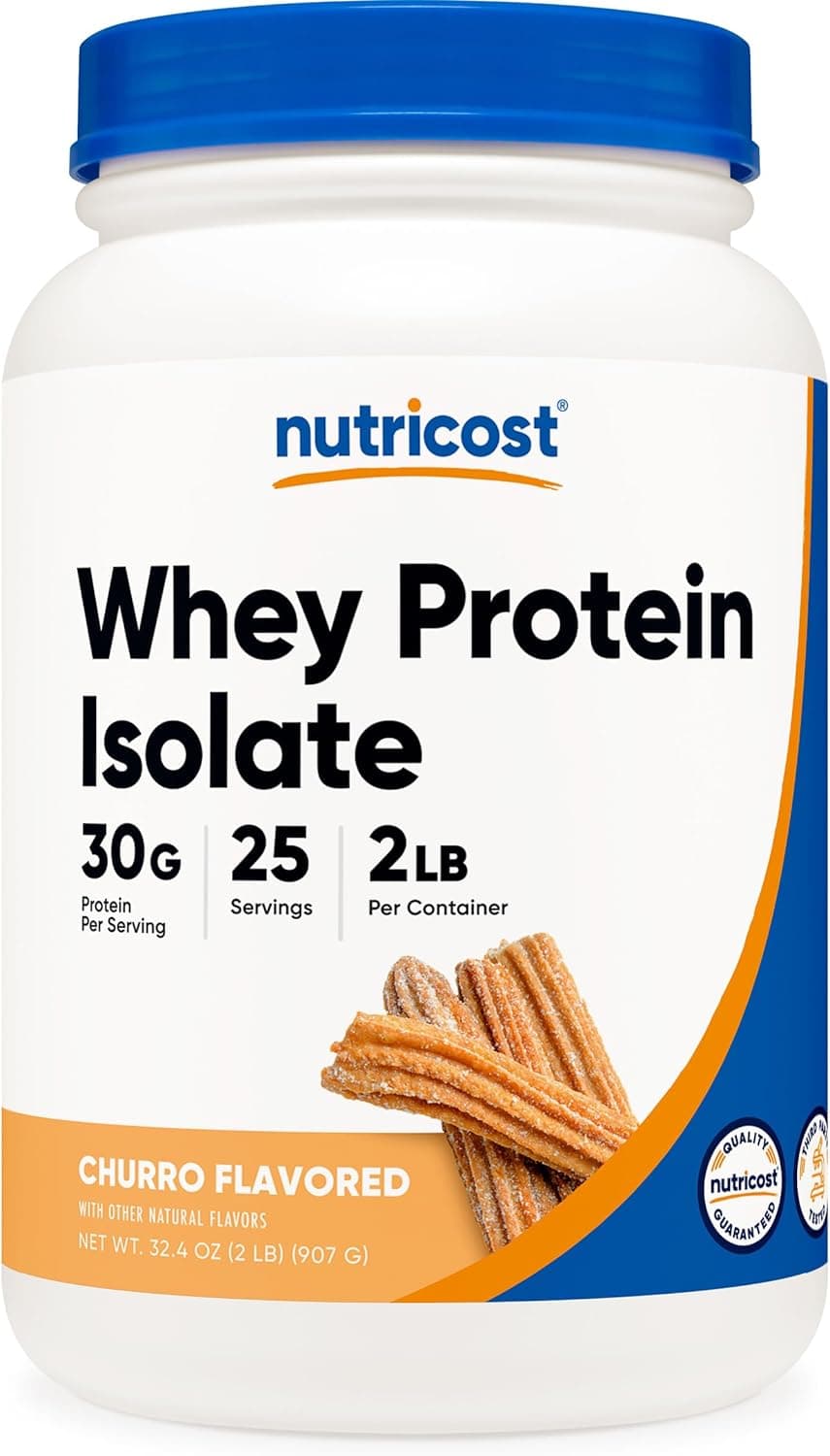
Once you see the number, fill the gap with calorie-dense additions rather than extra meals. Add olive oil to sauces. Put peanut butter in your shakes. Eat trail mix between meals. Drink whole milk instead of water with your protein powder. These small additions can close a 500-calorie deficit without requiring you to sit down and eat a full meal while your appetite is suppressed.