ADHD Meds Dehydrate You Faster. Electrolytes Fix the Crash
Table of Contents
The Big Picture
Stimulant medication activates your sympathetic nervous system. This triggers a cascade of physiological changes: increased heart rate, elevated blood pressure, reduced appetite, and critically, increased renal output. Your kidneys excrete more water and with it more sodium, potassium, and magnesium. The dry mouth you feel all day is the surface symptom. Underneath it your electrolyte balance is shifting.
Drinking more water does not fix an electrolyte problem. It can actually make it worse by further diluting the minerals remaining in your bloodstream. This is why many people on stimulants report drinking large amounts of water and still feeling dehydrated.
In Depth
Even mild dehydration of 1 to 2 percent body weight loss through fluid impairs cognitive performance measurably. Attention suffers first. Then working memory. Then reaction time. These are the exact cognitive domains that stimulant medication is supposed to improve. If you are mildly dehydrated while medicated, you are partially cancelling out the benefit of your prescription.
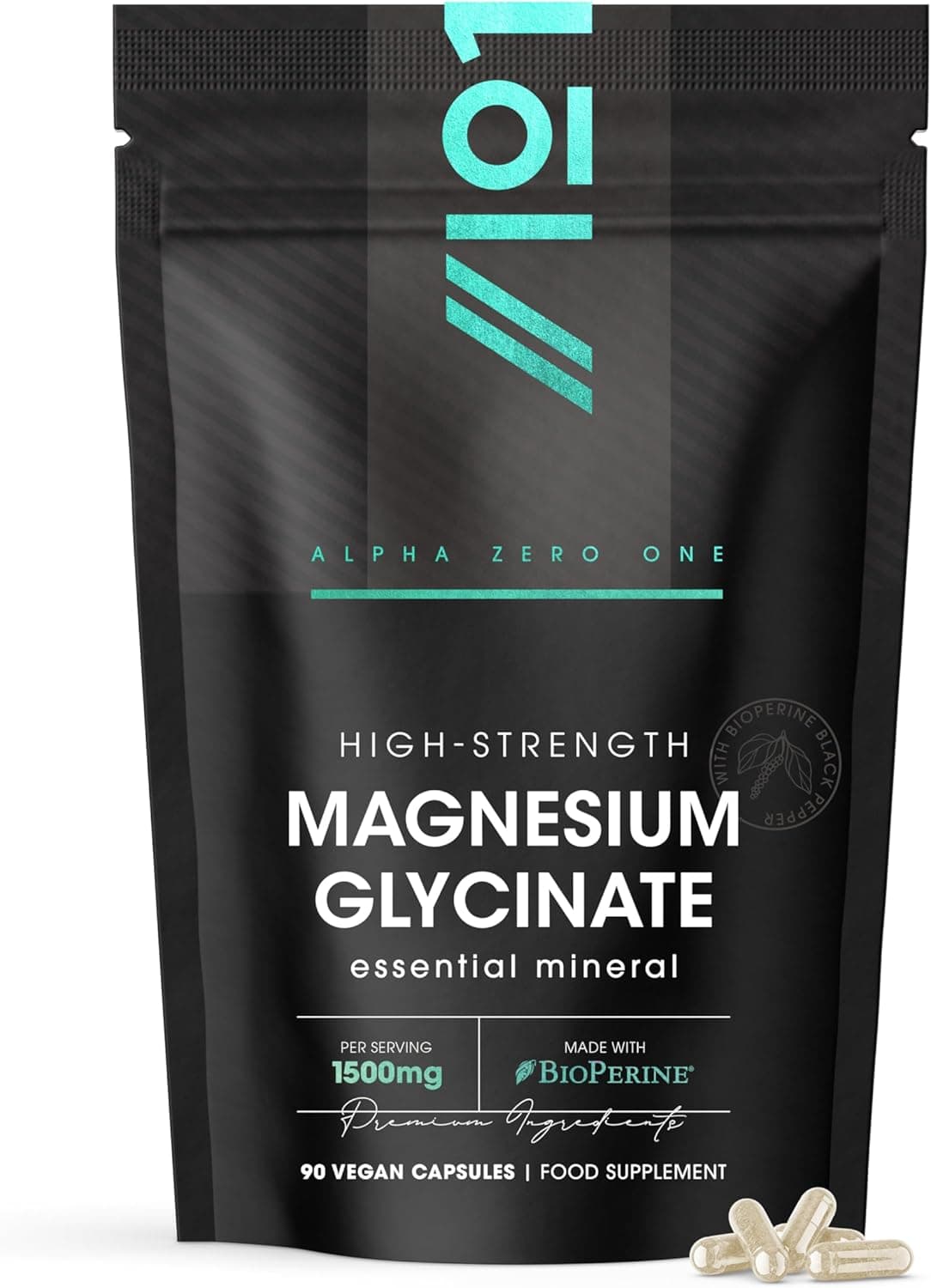
The minerals that matter most are sodium, potassium, and magnesium. Sodium drives fluid retention and absorption. Without adequate sodium, the water you drink passes through you rather than being retained by your cells. Potassium supports nerve conduction and muscle function. Magnesium, covered extensively elsewhere on this site, is a co-factor in hundreds of enzymatic processes including neurotransmitter production.
Sports drinks are not the solution. Most commercial sports drinks contain excessive sugar, artificial colours, and insufficient electrolyte concentrations to address the depletion caused by stimulant medication. They are designed for athletes sweating during exercise, not for the chronic low-grade depletion that stimulants produce.
The Science
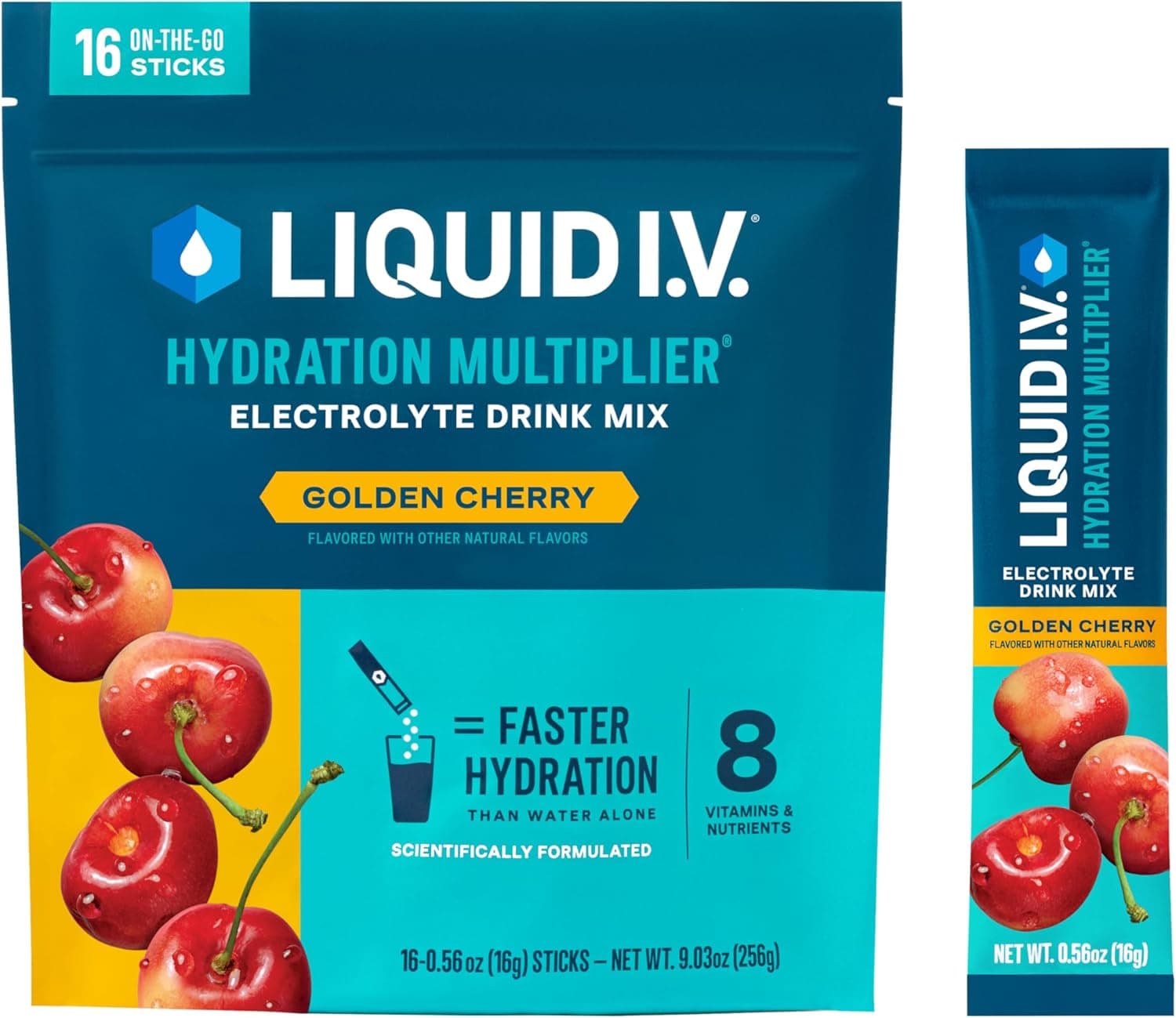
The most effective approach is using an oral rehydration solution or electrolyte mix that follows the WHO rehydration ratio: sodium, potassium, and glucose in proportions that maximise intestinal absorption. This means roughly 1000mg sodium, 200mg potassium, and a small amount of glucose per litre of water.
Drink one serving in the morning with or after your medication. Drink another in the early afternoon if you notice focus dipping or dry mouth returning. This simple habit prevents the slow dehydration that compounds through the day and mimics your medication wearing off.
You can also get electrolytes through food. Salting your meals generously, eating bananas or avocados for potassium, and including nuts for magnesium all contribute. But on days where appetite suppression limits your food intake, a dedicated electrolyte drink fills the gap that food cannot.