ADHD Meds Work Worse Without B Vitamins. Here Is Why
Table of Contents
The Big Picture
Methylation is a biochemical process that occurs billions of times per second in your body. It is responsible for converting folate into its active form, building neurotransmitters, regulating gene expression, and detoxifying compounds. When methylation is impaired, the downstream effects include reduced dopamine synthesis, elevated homocysteine, and worsened ADHD symptoms.
B vitamins are the engine of this process. B6, B9 (folate), and B12 are all essential co-factors. Without adequate levels of each, the methylation cycle slows and your brain's ability to produce and regulate dopamine and serotonin is compromised.
In Depth
Roughly 30 to 40 percent of the population carries at least one copy of the MTHFR gene variant that reduces the body's ability to convert folic acid into methylfolate, the active form. People with this variant process standard folic acid poorly. The folic acid found in most multivitamins and fortified foods builds up unconverted while the brain remains deficient in the methylfolate it actually needs.
This is relevant to ADHD because methylfolate is required at multiple points in the dopamine synthesis pathway. It donates methyl groups that are needed to convert tyrosine into L-DOPA and L-DOPA into dopamine. If this process is bottlenecked by a folate processing issue, your brain produces less dopamine from the same raw materials.
B6 (pyridoxal-5-phosphate) is the other critical piece. It is the co-factor for DOPA decarboxylase, the enzyme that performs the final conversion of L-DOPA into dopamine. B6 deficiency is uncommon in isolation but mild insufficiency is more prevalent than most people realise, especially on restricted diets.
B12 completes the trio. It works alongside folate to keep the methylation cycle turning. Deficiency is common in vegetarians and vegans and also in people taking certain medications that deplete it, including proton pump inhibitors and metformin.
The Science
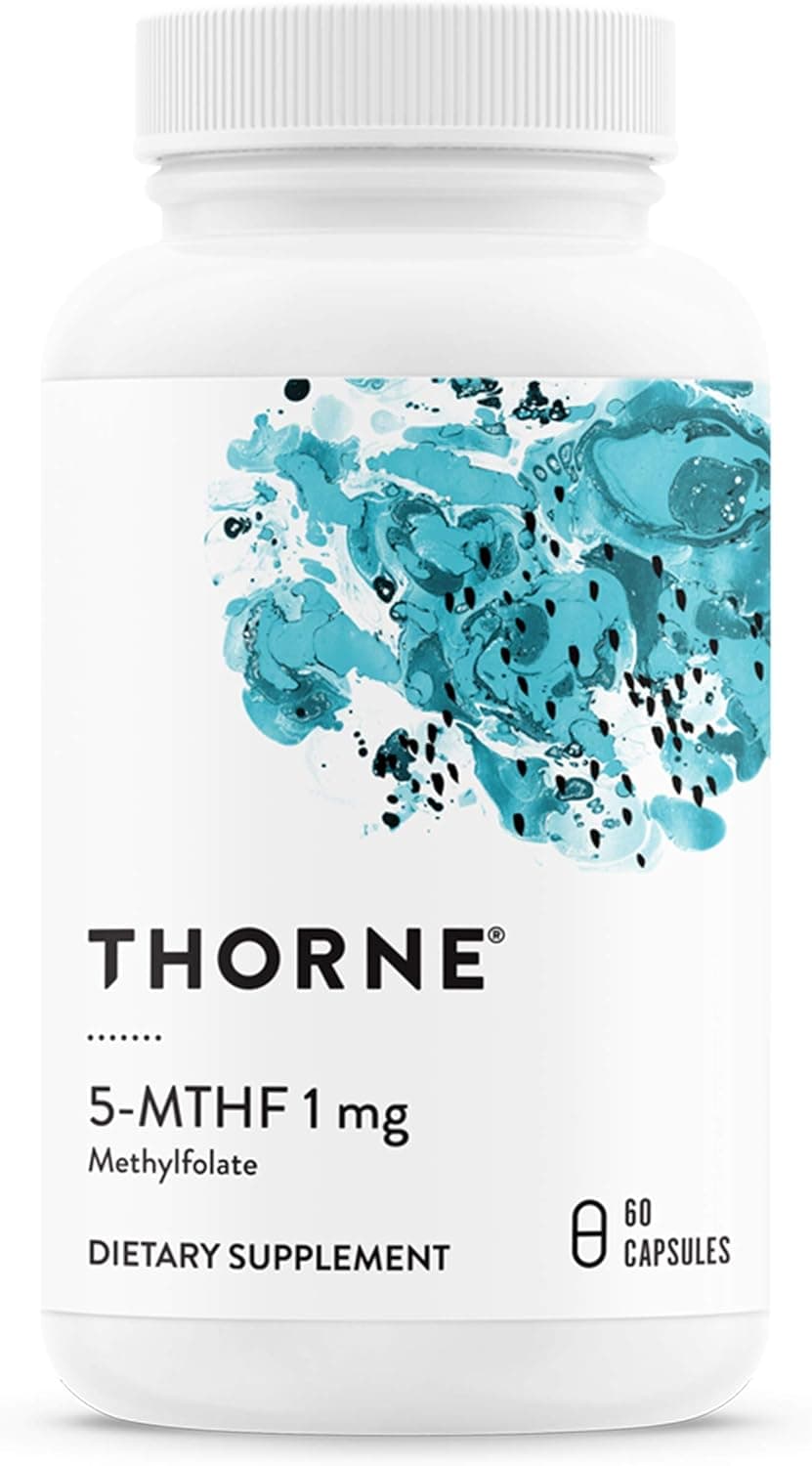
If you suspect methylation issues, the practical step is to switch from standard B vitamins to their methylated forms. Use methylfolate (5-MTHF) instead of folic acid. Use methylcobalamin instead of cyanocobalamin for B12. Use pyridoxal-5-phosphate (P5P) instead of pyridoxine for B6.
A quality B-complex that contains these already-active forms eliminates the conversion step that creates problems. Typical effective doses are 400 to 800mcg of methylfolate, 1000mcg of methylcobalamin, and 25 to 50mg of P5P.
Start with a low dose. Some people experience initial overstimulation from methylated B vitamins as neurotransmitter production increases. If this happens reduce the dose and increase gradually over two weeks.