
Adderall Too Strong Some Days, Too Weak Others? Zinc Levels Are Why
Table of Contents
Adderall functions by flooding the synaptic cleft with dopamine and norepinephrine. This process creates the sharp, tunnel-vision focus required for complex cognitive tasks. It also introduces a cardiovascular tax and a potential for neurological overstimulation. Users frequently experience a jittery onset followed by a heavy, irritable crash once the medication metabolizes.
Mixed amphetamine salts are highly sensitive to the pH levels of the gastrointestinal tract. Highly acidic environments can prematurely break down the medication, reducing its effective duration. Zinc supplementation helps maintain the metabolic environment necessary for optimal absorption and neurotransmitter recycling.
Smoothing the Stimulant Edge
Supplementing with Zinc may support a more balanced stimulant experience. This essential mineral acts as a modulator for the NMDA receptor, which regulates excitatory signals in the brain. It helps moderate the wired feeling that often accompanies high doses of mixed amphetamine salts. You may notice a softer transition into the medication's peak.
The subjective result is a calmer form of concentration. The frantic urge to switch tasks decreases because the brain feels less frantic. Zinc helps stabilize the neuronal environment, making the focus feel more natural and less forced. It eliminates the jagged edges of the initial stimulant kick.
Sustaining the Dopamine Pipeline
Zinc is a necessary cofactor for over 100 enzymatic reactions, including those that synthesize neurotransmitters. It plays a critical role in the conversion of dietary precursors into active dopamine. Clinical data establishes that zinc levels directly correlate with the effective management of ADHD symptoms and medication response.
Low zinc levels often force the brain to work harder to maintain the same level of alertness. By ensuring adequate levels, you provide the biological machinery the tools it needs to keep up with the demands of the medication. This support translates to a more consistent hum of productivity throughout the day. It helps prevent the feeling of being cognitively hollowed out by mid-afternoon.
Mitigating the Afternoon Crash
The 4 PM slump occurs as amphetamine levels drop and the brain struggles to recalibrate. Zinc assists in regulating the release of glutamate, which prevents the brain from becoming over-excited during this sensitive period. It effectively rounds off the sharp drop-off of the medication's decline.
The brain often feels exhausted while the body remains physically tense during a comedown. Zinc helps bridge this gap by facilitating smoother neurotransmitter transitions. It reduces the irritability and mental fog that typically signal the end of a dose.
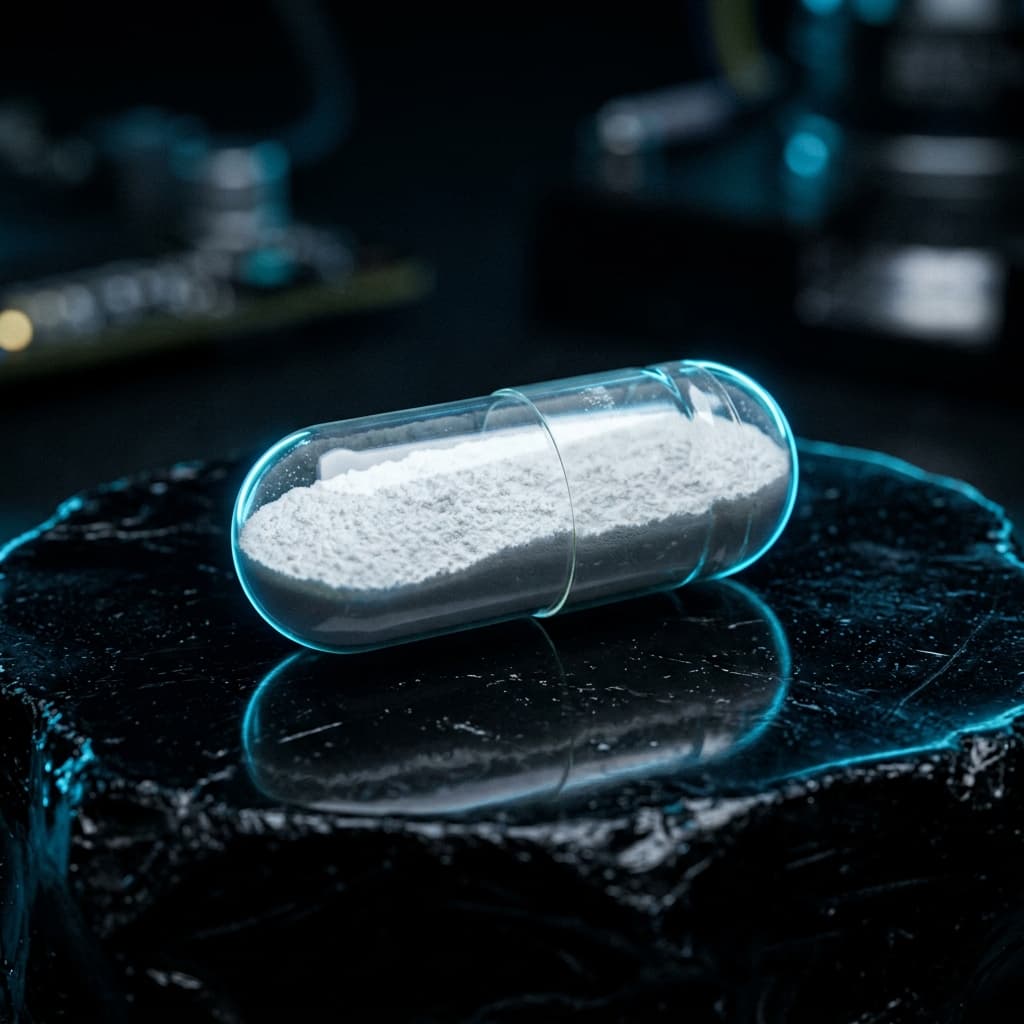
Taking 25mg to 30mg of zinc picolinate in the evening can help reset the system for the next day. This timing avoids potential interference with the initial absorption of the medication in the gut. Consistent use helps maintain a steady baseline, making the daily cycle of medication feel like a gentle wave. Focus on elemental zinc content rather than total pill weight for accurate dosing.