Magnesium Glycinate vs Threonate for ADHD: The Brain Health Battle
Magnesium is the foundational supplement for anyone taking stimulant medications like Adderall or Vyvanse. However, exactly which form you take dictates whether you are fixing cognitive burnout or physical muscle tension. The two most effective, bioavailable forms are magnesium glycinate and magnesium L-threonate.
Choosing between the two depends entirely on what specific side effects you need to mitigate most.
Magnesium L-Threonate: The Brain Builder
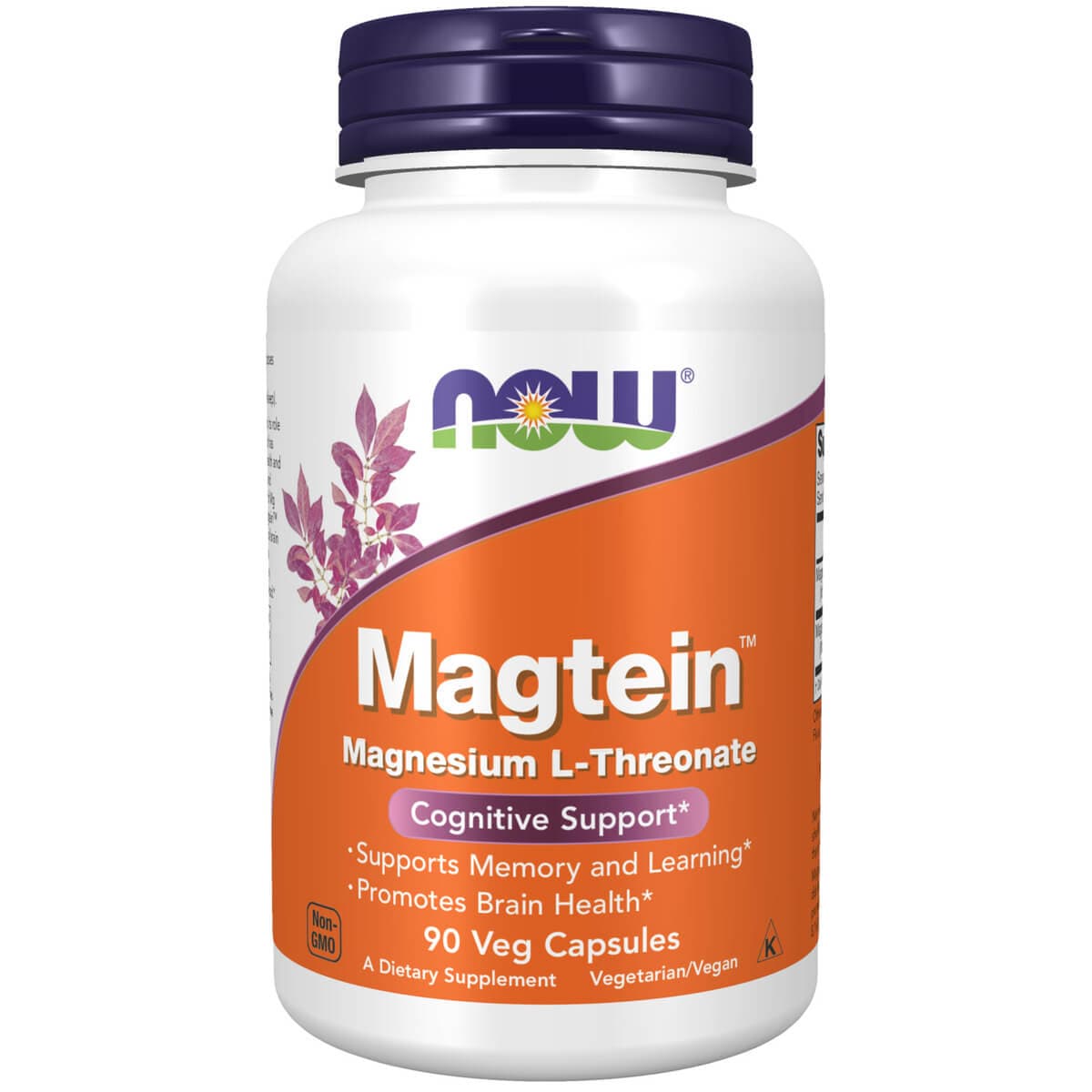
Magnesium L-threonate (Magtein) is unique because it was specifically engineered to easily cross the blood-brain barrier. Fundamental neurological research demonstrates that L-threonate drastically elevates magnesium concentrations directly within the cerebral spinal fluid.
This makes Magnesium L-Threonate the superior supplement for cognitive support. Magnesium L-Threonate If you struggle heavily with short-term memory loss, intense brain fog, or an inability to process information under stress,even while your medication is fully active,L-threonate actively supports neuroplasticity and synaptic density to reverse that exhaustion.
Magnesium Glycinate: The Body Relaxer
Magnesium glycinate is the most reliable option for combating the harsh physical side effects of daily stimulant use. Magnesium Glycinate is highly bioavailable and attached to glycine, an amino acid famous for promoting deep physical relaxation and lowering core body temperatures.
If your primary issue is a racing heart, tight shoulders, brutal jaw clenching, and a complete inability to fall asleep quickly at night, glycinate is the absolute correct choice. It functions as a powerful, non-sedating physical brake pedal.
For the average ADHD medication user suffering from physical tension, start with 200mg to 400mg of magnesium glycinate one hour before bed. If your sleep is perfect but your memory feels permanently destroyed, switch to magnesium L-threonate in the morning.